Video Overview
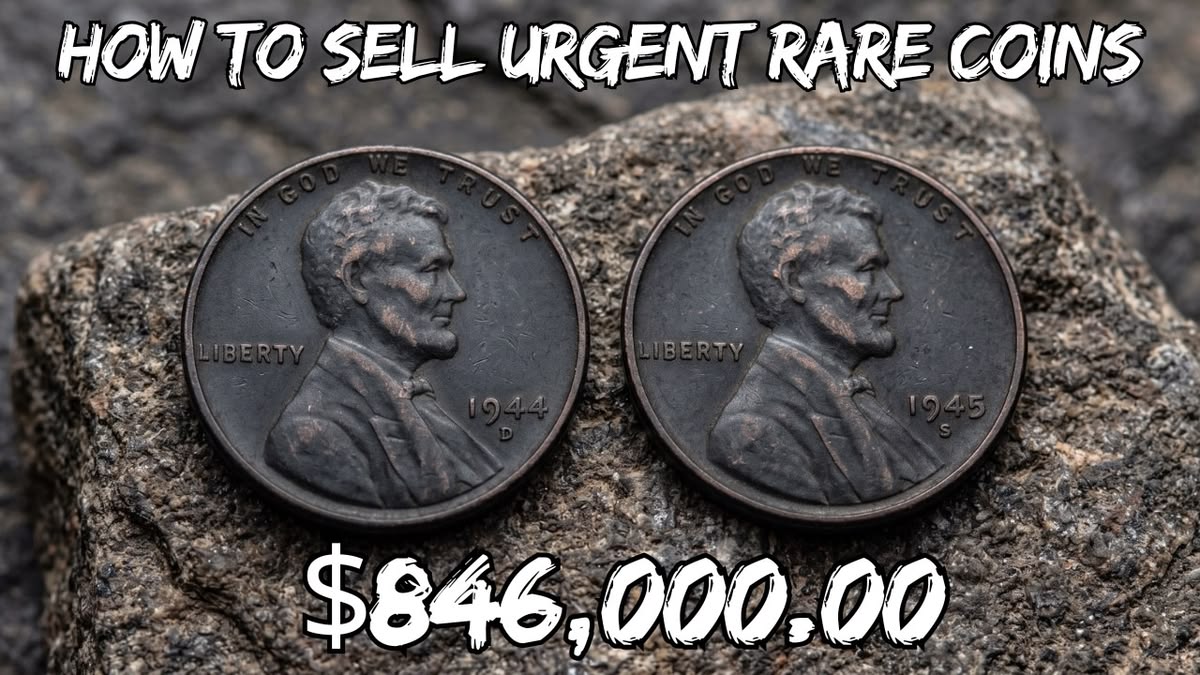
This video provides an in-depth exploration of two classic post-World War II numismatic treasures: the 1944 No Mint Mark Lincoln Wheat Penny and the 1945 No Mint Mark Lincoln Wheat Penny. Produced by the Philadelphia Mint, both coins feature high mintage numbers yet command thousands of dollars in high-grade condition or rare error states.
The guide highlights their wartime history, metallic composition shifts, grading nuances, error varieties, and key preservation tips for collectors searching through pocket change.
Part 1: The 1944 No Mint Mark Lincoln Wheat Penny
1. Wartime History & Metallic Composition
-
The 1943 Steel Transition: During the peak of World War II, copper was critical for military equipment and shell casings [01:08]. The U.S. Mint produced zinc-coated steel pennies in 1943 [01:25]. However, the public disliked these steel cents because they were easily confused with dimes and prone to rusting [01:33].
-
Return to Bronze in 1944: In 1944, the Mint resumed striking coins in a copper-alloy composition, often using recycled wartime brass shell casings [01:47].
2. Design & Mintage Figures
-
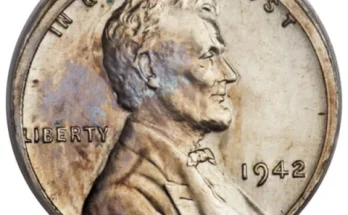
Classic Design: Designed by Victor David Brenner, the obverse features President Abraham Lincoln, “IN GOD WE TRUST”, “LIBERTY”, and the date “1944” [02:04]. The reverse displays two stalks of wheat framing “1 CENT” and “UNITED STATES OF AMERICA” [02:20].
-
Philadelphia Mintage: The Philadelphia Mint struck over 1.4 billion 1944 pennies without a mint mark [03:08]. Because of this high mintage, heavily worn, circulated coins remain very common [03:16].
3. Value Drivers, Grading, and Market Valuation
-
Condition & Preservation: While average circulated coins hold minimal premium over face value, pristine specimens preserve crisp details and original mint brilliance [03:49]. Top-grade, certified uncirculated coins (MS67 Red or higher) can sell for upwards of $7,800 at major auctions due to registry set competition [05:32].
-
Color Classifications:
4. Mint Errors & Rare Varieties
-
1944 Steel Penny Error: A tiny number of 1944 cents were mistakenly struck on leftover 1943 steel planchets [06:01]. These steel errors stick to a magnet and can fetch tens to hundreds of thousands of dollars [06:09].
-
Die Errors: Collectors also search for doubled dies, off-center strikes, and repunched mint marks [06:36].
Part 2: The 1945 No Mint Mark Lincoln Wheat Penny
1. Post-War Context & Mintage
-
Historical Background: Minted during the final year of World War II, the 1945 penny represents America’s post-war transition [11:37].
-
Mass Production: The Philadelphia Mint struck over 1 billion pennies in 1945 without a mint mark [12:32]. Massive circulation means high-grade survivors are rare [12:45].
2. Grading & Valuation Breakdown
-
Value Factors: Valuation is determined by wear, original color, certified grade, and error status [13:45].
-
Price Tiers:
3. Notable Mint Errors
-
Off-Center Strikes: Occurs when the blank planchet is misaligned in the coining press, leaving part of the design missing [16:09].
-
Doubled Die Obverse/Reverse: Doubling visible in the lettering, date, or wheat stalks [16:25].
-
Die Cracks & Cuds: Elevated metal lines caused by worn or broken coining dies [16:43].
Key Collector Recommendations
-
Magnification & Inspection: Use a loupe to check the date, check for mint marks, assess color, and scan for doubling or off-center strikes [17:01].
-
Never Clean Coins: Cleaning destroys original surface luster and permanently lowers collector value [07:42].
-
Proper Storage: Keep coins in dry, temperature-controlled environments to prevent corrosion or environmental damage [08:02].
-
Professional Grading: High-value or potential error coins should be submitted to services like PCGS or NGC for authentication and encapsulation [17:43].