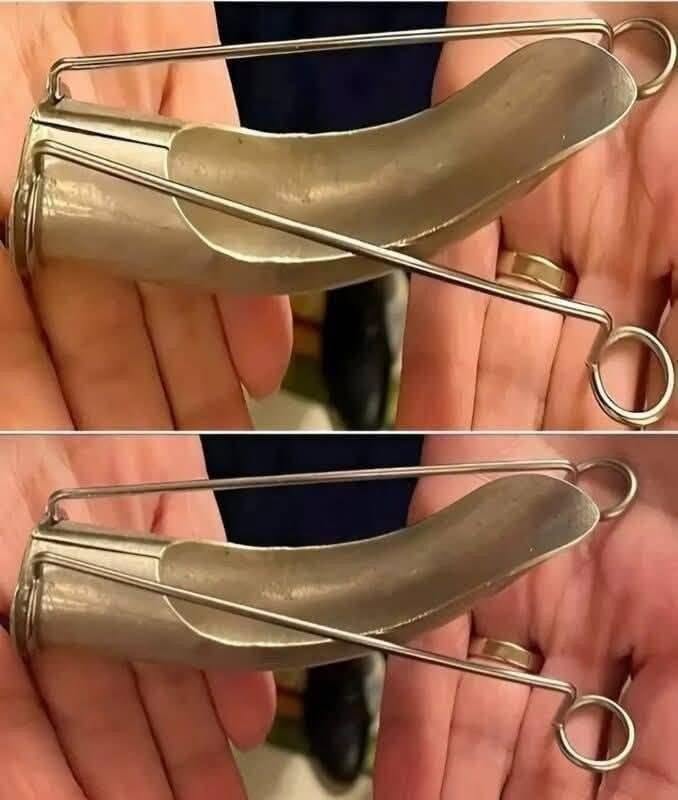
She wasn’t snooping—at least, not at first. She was looking for paperwork, something ordinary, something that might explain my father’s recent absences and strange behavior. Instead, she opened a drawer she had never touched before and found an object that immediately unsettled her. The moment she saw it, a familiar fear surfaced—one she had carried quietly for years without ever giving it a name.
Nothing had ever been said aloud.
There were no accusations, no reports, no confrontations. Only small observations that never quite fit together: the way my father would retreat into himself when handling his “things,” how his face would drain of color, his posture curling inward, as though he were only half-present—like someone standing there solely because a ritual required it.
The box had always been there.
Locked. Hidden away in a storage room he rarely used. No one ever asked what was inside. Not me. Not my mother. Even she—his wife—had learned long ago not to question certain boundaries. But that day, something was different. Curiosity overcame the quiet fear she had learned to live with.
The day before, she had searched his office.
No documents. No money. Nothing that explained where he had been going or why he had become so distant. Only the same object, wrapped carefully and placed where important things are kept. That absence—of explanations, of normality—troubled her more than the object itself.
When she finally lifted it from the drawer, she realized just how strange it was.
It stood nearly a foot tall, smooth to the touch, its surface etched with intricate, repeating patterns that didn’t seem decorative so much as deliberate. At the top were thin, articulated projections—like antennae or jointed limbs—arranged with unsettling precision. It didn’t resemble anything familiar. Not a tool. Not an ornament. Not something meant to be understood at a glance.
No one could explain what it was for.
When she handed it to me, I felt it immediately.
A weight—not just physical, but emotional. The moment my fingers closed around it, something shifted. Memories surfaced that didn’t feel like memories at all—fragments, sensations, impressions that didn’t belong to me, yet felt disturbingly close. My chest tightened. My head buzzed, as though something had been stirred awake.
I couldn’t tell whether I was remembering something real or imagining what I had always feared.
I looked at my mother, and she looked back at me without speaking. We both understood that whatever this object was, it wasn’t just something my father owned. It was something he carried with him—something that shaped him, drained him, maybe even defined him.
The drawer was closed again.
The box was locked.
But the fear didn’t go back where it came from.
Because once something hidden is seen, it can never truly be unseen.
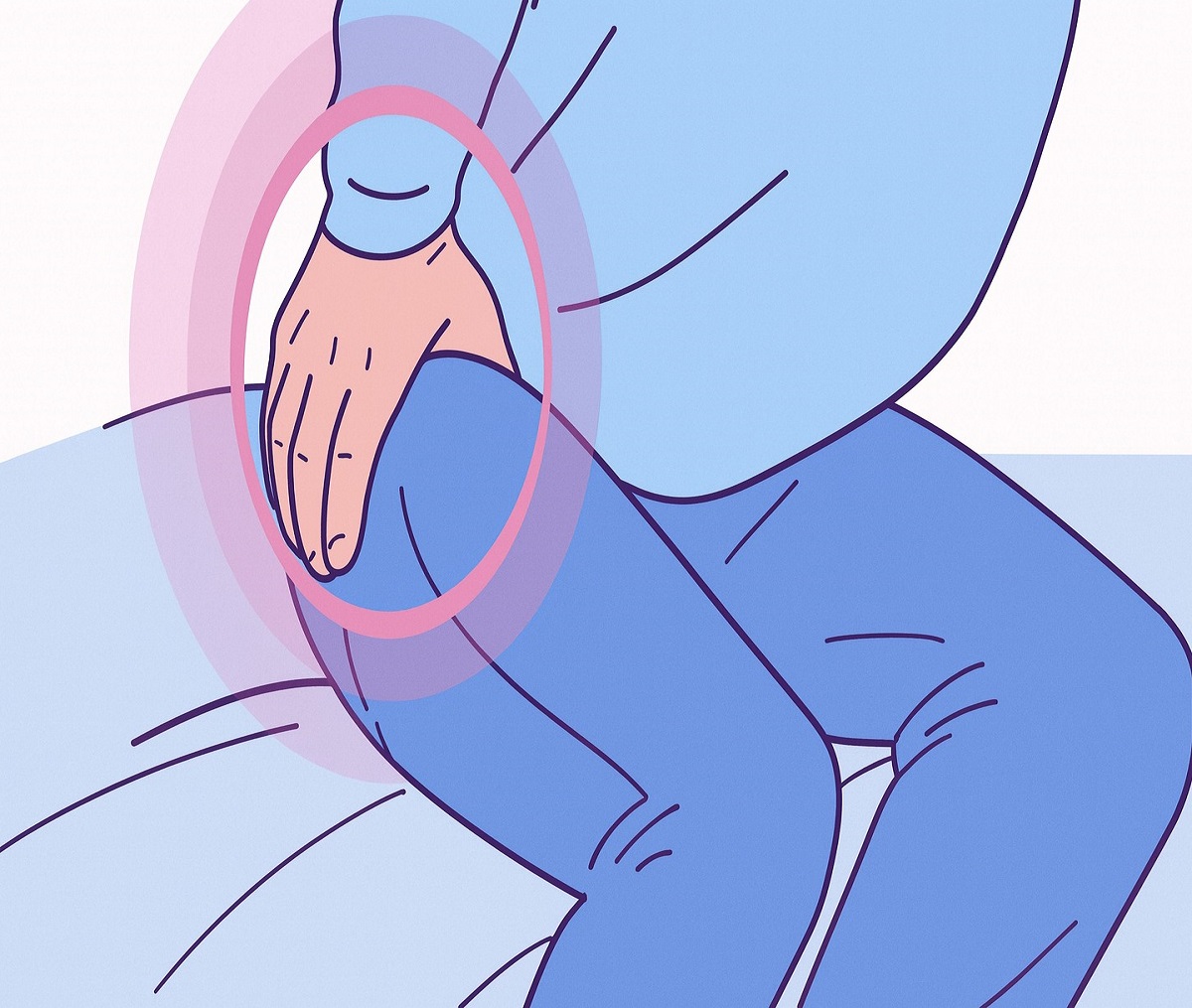 Do you struggle to bend over to tie your shoelaces, climbing stairs becomes an effort, and morning stiffness becomes a daily occurrence? These often trivialized signs may actually indicate hip wear, which is much more common than you might think. Long confined to the elderly, it now affects more and more active adults aged 35-40. Acting early means living longer.
What exactly is a worn hip?
A “worn” hip corresponds to deterioration of the articular cartilage, the protective tissue that prevents bones from rubbing against each other. When this cartilage weakens or disappears, the friction causes pain, stiffness, and sometimes inflammation: this is hip osteoarthritis (or coxarthrosis).
The main causes?
A set of factors, often combined:
Physical occupations or repetitive sports: heavy work or repetitive movements promote wear and tear.
History of injuries (fractures, dislocations) or joint diseases such as polyarthritis.
Signs to watch out for
Morning stiffness that improves with movement.
Hip pain when walking, climbing stairs, or standing up.
Difficulty putting on shoes or bending over.
Sensation of rubbing or cracking in the joint.
Pain radiating to the groin, thigh, or knee.
Muscle fatigue, difficulty balancing, nighttime pain, or a feeling of warmth in the hip.
Good news: you can live with a worn-out hip.
Continued on the next page
There’s no need to wait until you’re in severe pain to take action. Early diagnosis can slow the progression of wear and tear and improve quality of life.
Here are some recommended solutions:
Relieve the pain
Paracetamol or anti-inflammatories occasionally, always under the advice of a healthcare professional.
Move… but gently
Recommended activities: swimming, cycling, regular walking on level ground.
Physiotherapy sessions help strengthen the muscles around the hip and maintain good mobility.
Relieve pressure on the joint
Losing a few pounds is often enough to significantly reduce discomfort.
When pain becomes chronic…
continued on the next page
Surgery (hip replacement) may be considered. Today, it’s a common and well-controlled procedure: more than 90% of patients regain sustained mobility for 10 to 15 years.
Listen to your body, act immediately.
Ignoring the pain won’t make it go away. If you recognize these symptoms, or if a loved one complains of them, consulting a doctor is the first step toward a more comfortable daily life.
“A healthy hip means long-lasting freedom of movement.”
And you? Have you noticed these signs? Share your experience: it may help others avoid trivializing their pain.
Thank you to everyone who reads this.