Could a single penny sitting in your pocket change or an old jar be worth up to $1.7 million? 🪙✨
While standard Lincoln cents are worth face value, legendary minting mistakes, wartime metal shortages, and dramatic die errors have turned specific pennies into six- and seven-figure treasures.
This video breaks down the Top 5 Super Rare Lincoln Pennies to hunt for, how to test them at home, and what features make these coins worth life-changing money.
Top 5 Rare Lincoln Pennies Featured in This Video
-
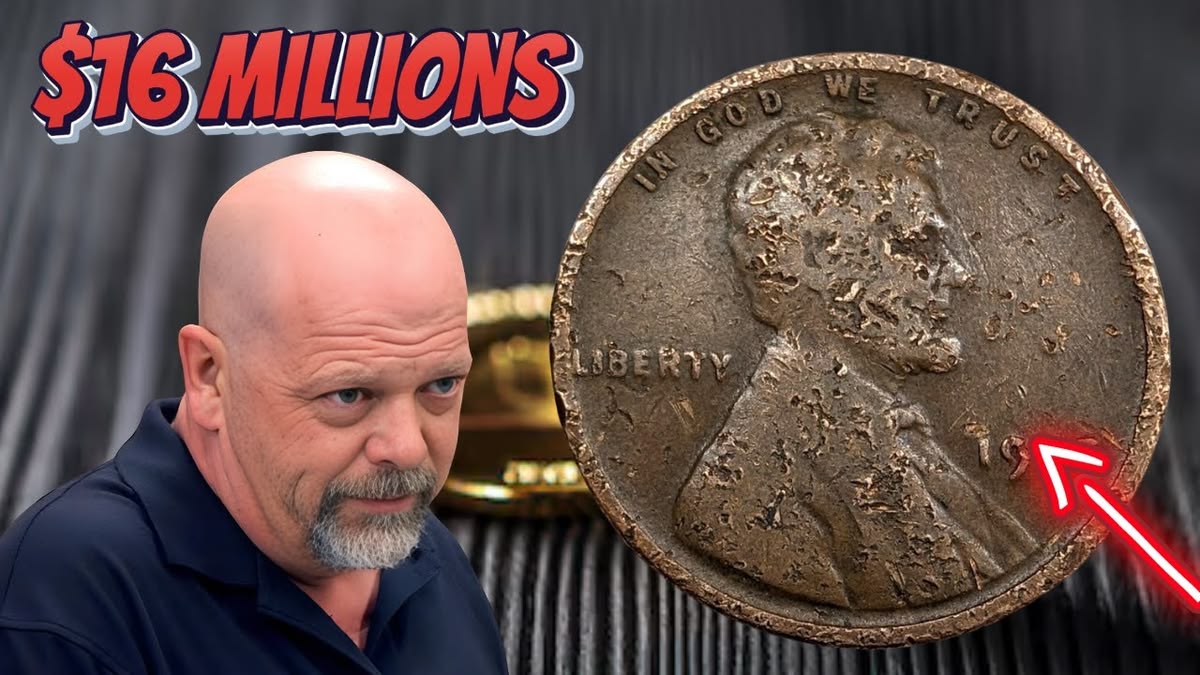
1943 Copper (Bronze) Cent: Struck on leftover copper blanks during WWII when the U.S. Mint switched to steel. Values range from $200,000 to over $1.7 million for top specimens.
-
1944 Steel Cent: The reverse wartime error! Produced when steel blanks left over from 1943 were accidentally struck with 1944 dies. Valued at $300,000+.
-
1955 Doubled Die Obverse: The most famous die error in American coining history, featuring dramatic, unmagnified doubling on the date and lettering. Valued at $2,000 to $280,000+.
-
1969-S Doubled Die Obverse: A major modern rarity with intense doubling across “LIBERTY” and “IN GOD WE TRUST.” Top-graded specimens have auctioned for $120,000+.
-
1909-S VDB Cent: The premier key date of the Lincoln series, featuring designer Victor David Brenner’s initials on the bottom reverse. Valued from $1,000 to $100,000+.
Quick 3-Step Verification Test
-
The Magnet Test: Real 1943 copper pennies and standard 1944/1969 coins will not stick to a magnet. If a 1943 penny sticks, it is a common steel cent or copper-plated alteration.
-
Weight Check: Standard pre-1982 copper pennies weigh 3.11 grams, whereas 1943 steel cents weigh 2.7 grams.
-
Inspect Under Magnification: Check the date, mint mark, and lettering for distinct double-imprints (Doubled Die) or missing marks (like the 1922 “No D”).
What To Do If You Find One
-
Do NOT Clean the Coin: Cleaning or scrubbing a coin severely destroys its numismatic value.
-
Store Safely: Place the coin in a soft plastic flip or protective holder.
-
Professional Grading: Send the coin to a recognized third-party grading service such as PCGS or NGC for official authentication.
Don’t let rare coins gather dust! Grab a magnifying glass, inspect your coin jars, and hit Subscribe for more coin-hunting guides and error breakdowns. 🔔
#RareCoins #CoinCollecting #PennyHunting #LincolnCent #ErrorCoins #USMint #PocketChange