1999 Connecticut Quarter: History and Real Market Value
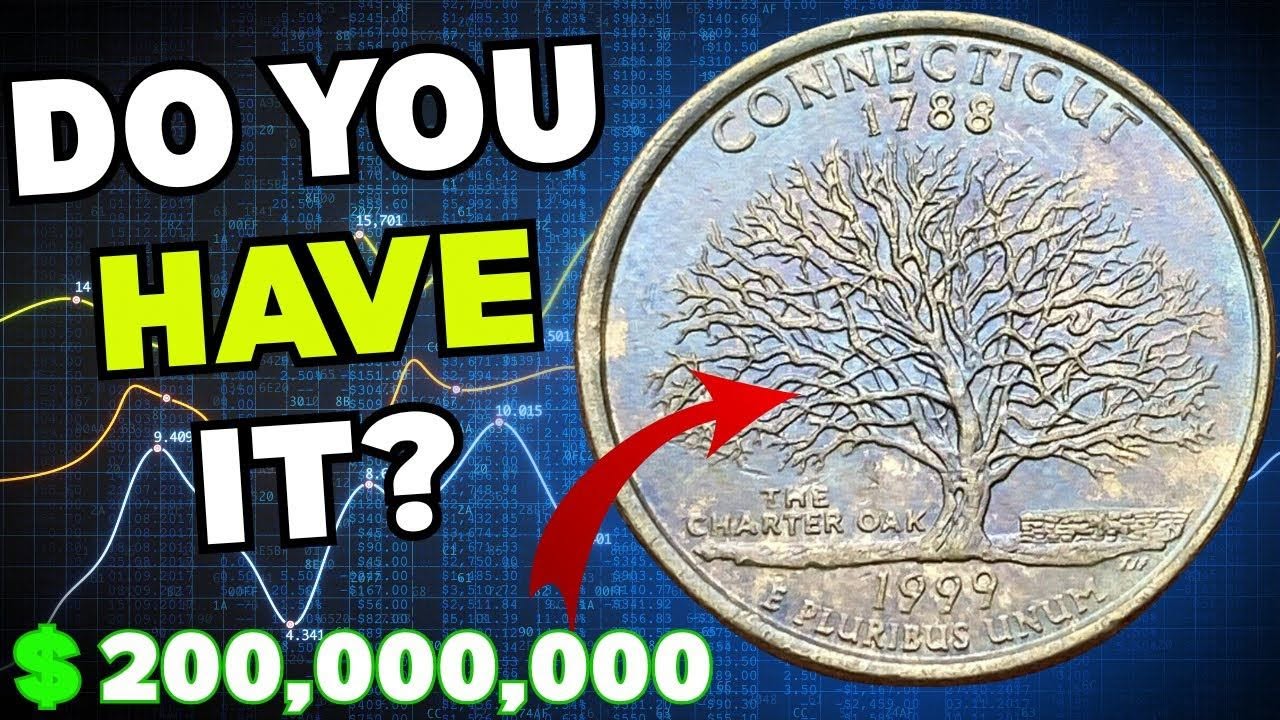
The Connecticut quarter was the fifth coin released in the U.S. Mint’s 50 State Quarters Program. Its reverse features the historic Charter Oak, a massive white oak tree where Connecticut’s royal charter was hidden from the British in 1687.
-
Circulated Value: The vast majority of 1999 Connecticut quarters in pocket change are worth their face value of 25 cents.
-
High-Grade Mint State Coins: Examples certified in pristine condition (such as MS68 or MS69 by PCGS or NGC) can range from $50 to over $4,000 depending on the specific mint mark (Philadelphia or Denver) and condition.
-
Experimental Planchet Errors: In 1999, some early state quarters (including Connecticut, Delaware, and Pennsylvania) were accidentally struck on thick, gold-tinted experimental alloy planchets meant for the Sacagawea Dollar. These rare error coins have sold at auction for $4,000 to over $10,000.
Top Most Valuable State Quarter Errors to Watch For
| Coin Issue | Key Error or Feature | Real Auction Record / Range |
| Sacagawea / Washington Mule | Mismatched die strike featuring a Sacagawea Dollar obverse and a Washington Quarter reverse. | $192,000+ |
| 1999-P Connecticut Quarter | Struck on an experimental Sacagawea alloy planchet (heavier weight, gold hue). | $4,000 – $10,500 |
| 2004-D Wisconsin Quarter | “Extra Leaf” variety (High Leaf or Low Leaf near the ear of corn). | $2,500 – $6,000 |
| 1999-P Georgia Quarter | Off-center strike or die cap error. | $4,000+ |
| 2005-P Kansas Quarter | Grease-filled die error reading “IN GOD WE RUST”. | $20 – $100 |
| 2005-P Minnesota Quarter | Doubled die reverse showing extra trees. | $10 – $300 |
How to Check Your State Quarters
-
Examine the Rim & Color: Check if the quarter has an odd yellowish tint or a missing copper core along the edge (indicating an experimental planchet or missing clad layer error).
-
Weigh the Coin: Standard clad state quarters weigh 5.67 grams. An experimental planchet coin weighs roughly 8.1 grams.
-
Inspect the Details: Use a magnifying glass or jeweler’s loupe to scan for extra design elements (like the Wisconsin extra leaf) or missing letters (like the Kansas “Rust” error).